


Thief Puzzle: to pass a level
4.67.21K Reviews
App Specs
- Version
- 2.3.8
- Updated On
- License
- Free
- Downloads
- 100,000,000+
- Developer
- TapNation
- Categories
- Puzzle
- Platform
- Android, iOS
Screenshots
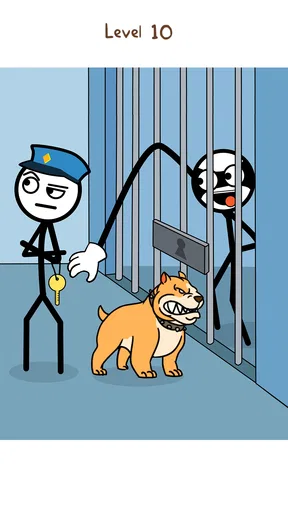
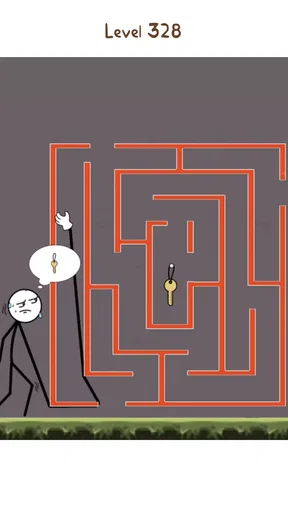
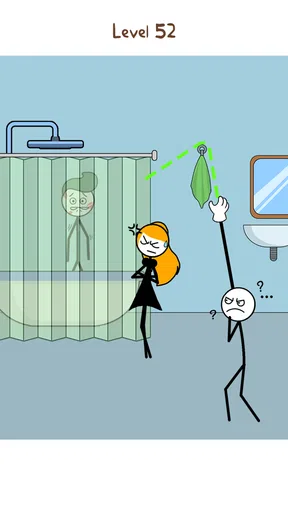
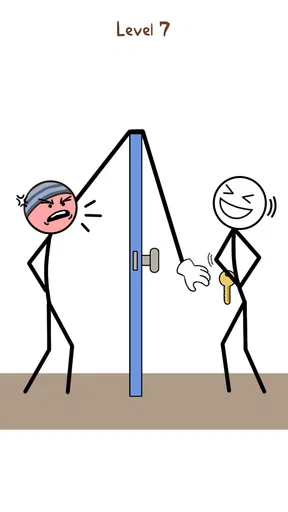
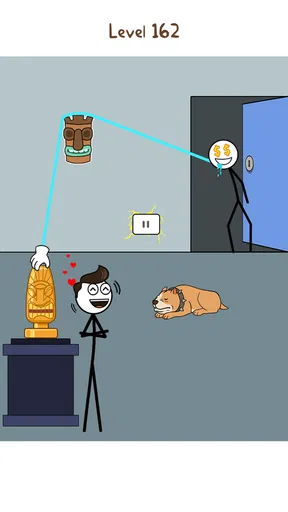
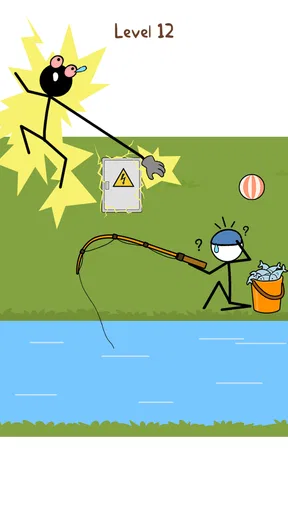
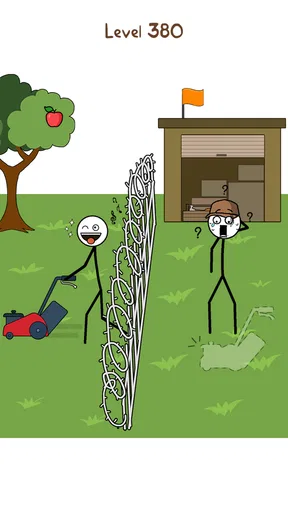
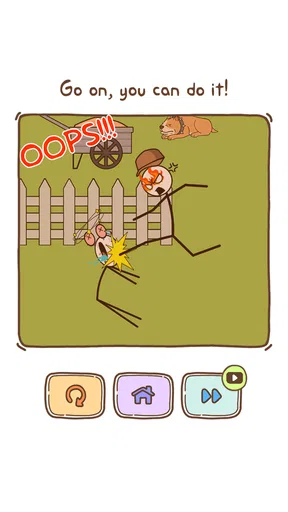
 Analysis by AppCompare
I often reach for a small puzzle game when someone else has the TV remote or I have a few spare minutes between chores. Thief Puzzle fits that shared, casual rhythm: one person can try a level, hand the phone over, and let someone else suggest a route. Its playful premise makes it easy to explain without a long tutorial, though I’d treat it as a game to enjoy together rather than a reliable test of who is best at puzzles.
A natural fit for passing the phone around
In a household, the best moments tend to come from looking at a puzzle before anyone touches the screen. One person spots an obstacle, another proposes a path, and the player tests the idea. Because the action is built around guiding a hand through a scene, the attempt is visible to everyone nearby. That makes it easier to join in than a puzzle whose important clues are hidden in menus or long blocks of text.
A realistic use is a short wait at home: I might open a level while dinner is nearly ready, let someone else call out a possible route, then pass the device when it is their turn. The game’s quick, level-based format suits that stop-and-start use better than a story-driven game that expects everyone to remember a long plot. The trade-off is that a shared screen can turn into backseat solving. If one person wants to think quietly, agree to give them a first attempt before the group starts offering suggestions.
Simple handoffs, sensible boundaries
For shared-device play, I’d keep the arrangement straightforward: decide who is holding the phone, take turns by level or attempt, and avoid handing it around while someone is making a move. That small bit of coordination helps prevent accidental touches and keeps the person solving the puzzle in control. It also makes it easier to stop without turning a casual session into an argument about whose turn was interrupted.
I would not assume that sharing a device automatically means sharing every part of a game experience. Before letting someone else play, check what is currently on screen and whether the device is set up in a way you are comfortable with. That is ordinary good practice for any game on a personal phone, especially if the device also contains messages, photos, or other apps. The game itself is best approached as a simple shared activity, not as a substitute for device-level boundaries.
When a puzzle resists a few attempts, try having the group describe the route before touching the screen. That turns a vague “try again” loop into a useful discussion: where does the hand need to pass, what seems to block it, and which move is likely to trigger a problem? It is a practical way to keep younger or less experienced players involved without taking the phone out of their hands.
Age, expectations, and trust
The game is rated Everyone, which makes its general audience broad, but that label does not decide whether it suits a particular child or household. I’d still consider a child’s patience with trial and error and whether they enjoy cartoonish puzzle challenges. Some players love testing a route until it works; others quickly lose interest when they cannot see the answer. Sitting nearby for the first few turns is an easy way to find out which kind of player you have.
Worth Reading Before You Choose

Flipboard Shows What News Apps Must Do Beyond the Feed

Switching to Android Auto Means Rethinking Your Driving Routine

Google Calendar Makes a Crowded Week Easier to Manage

Ludo King Makes the Most of the Minutes Between Plans

Baby Panda World Brings Quick Play to Modern Phones, but Its Game Library Feels Busy

ESPN’s Live Game View Makes Following Close Games Easier
It is also worth setting expectations about purchases before a child plays on a device used by the family. The game is free to download and includes in-app purchases priced from $0.99 to $10.99 per item. I would explain that free access does not mean every optional purchase is part of the basic experience, and I’d use the device’s own purchase settings in line with the household’s preferences. That is more useful than assuming a game’s age rating handles spending decisions for you.
For adults sharing a phone with children, I’d keep the device in hand during play if purchase access is a concern. For a child playing independently, check the device’s general account and purchase arrangements first. These are not special game controls; they are sensible boundaries for any shared phone. A calm, clear rule—ask before buying anything—can prevent a casual puzzle session from becoming an unpleasant surprise.
How the puzzles feel in practice
If you've ever found yourself daydreaming about being a master thief who can outwit any security system, then Thief Puzzle: to pass a level might just be the game you've been waiting for. I recently took the plunge into this quirky, brain-teasing world, and let me tell you, it's been quite the adventure. Let's dive into what makes this game a must-try for puzzle enthusiasts.
First Impressions
When you first fire up Thief Puzzle: to pass a level, you're greeted with a simple yet charming interface. The graphics are playful and colorful, which immediately sets a lighthearted tone. The game doesn't try to overwhelm you with complicated menus or unnecessary options. It's all about getting you straight into the action, and I appreciate that.
Gameplay Mechanics
The core of the game is its clever puzzle design. You're tasked with maneuvering a thief's hand to swipe treasures while dodging obstacles and avoiding detection. Each level presents a unique challenge, requiring you to think outside the box. The controls are intuitive—just drag your finger to guide the thief's hand. It sounds simple, but trust me, things get tricky fast!
What I love about this game is how it balances difficulty. Early levels ease you in, allowing you to get a feel for the mechanics. But as you progress, the puzzles become more intricate, demanding strategic thinking and timing. There’s a real sense of satisfaction when you finally solve a level after multiple attempts.
Engaging Features
One of the standout features is the variety of levels. You'll encounter everything from basic treasure grabs to complex layouts with moving guards and booby traps. This diversity keeps the game fresh and exciting. Plus, the developers regularly update the game with new levels, so there's always something new to tackle.
The game also includes a hint system for those times when you're completely stumped. While I try to avoid using hints (because where’s the fun in that?), they can be a lifesaver if you're feeling particularly stuck. And hey, sometimes you just need a little nudge in the right direction!
Visuals and Sound
The visuals are simple yet effective. The animations are smooth, and the art style is whimsical, which suits the game's playful vibe perfectly. Each level is distinct, with unique backdrops and themes that add to the overall experience.
As for the sound, the game features a catchy soundtrack that complements the action without being too distracting. The sound effects, like the clinking of coins and the alert noises from guards, add an extra layer of immersion.
Working through a stubborn level
My most useful habit is to pause before dragging and trace a possible route with my eyes. In a game where the thief’s hand has to reach a target while avoiding hazards, moving immediately can make a level feel like guesswork. Looking at the full layout first helps me distinguish a genuinely blocked route from one that simply needs a less obvious approach. If a first attempt fails, I change one part of the route rather than repeating the same motion faster.
The hint system is most valuable when I have already explored the layout and cannot identify what I am missing. I would save it for that point instead of using it as a first response to a tricky scene. That keeps the satisfaction of solving the puzzle while offering a way forward when repeated attempts stop teaching me anything. If you are playing with someone else, agree before using a hint; one player may prefer to keep experimenting while another wants to move on.
Compared with many familiar puzzle games, this one puts more emphasis on spatial judgement and a visible, playful action than on reading clues, matching symbols, or managing a complex set of rules. That makes it approachable for quick shared play, but it may be less satisfying for someone seeking deep logic chains, a sustained narrative, or a puzzle that rewards taking notes across many stages. I would choose it for a light challenge, not as a replacement for a more demanding brainteaser.
Who is likely to enjoy it
I’d recommend it to players who like compact challenges, enjoy trying a few different routes, and want a game that can be understood by watching for a moment. It can work well for a solo break, a casual turn-taking session, or a parent and child talking through a puzzle together. Its light presentation also makes it an easier fit for a mixed-age room than a game whose appeal depends on competitive pressure or a complicated story.
It is less suited to anyone who dislikes trial and error, wants every puzzle to have a lengthy explanation, or expects a deep strategy game. The same repetition that makes a difficult level rewarding can become frustrating if you prefer a clear clue after one failed attempt. If you are looking for long-form progression or a more contemplative logic experience, a traditional puzzle game may be a better match. Here, the appeal is the quick cycle of observing, trying, and adjusting.
Practical details and expectations
TapNation developed this free puzzle game, which was released on January 24, 2021. It has a 4.6 average from around 767,000 ratings, with about 7,100 written reviews, and more than 100 million installs. Those figures suggest that it has reached a broad audience, but popularity alone cannot tell you whether its particular style of playful trial and error will suit you.
The current version is 2.3.4, and it requires Android 7.0 or later. The game is also available on iOS. For someone deciding whether to try it, the practical answer is that it is free to start, with optional in-app purchases ranging from $0.99 to $10.99 per item. I would treat those purchases as separate from the basic reason to play: solving the levels at your own pace.
Visuals and Sound
The visuals are simple yet effective. The animations are smooth, and the art style is whimsical, which suits the game's playful vibe perfectly. Each level is distinct, with unique backdrops and themes that add to the overall experience.
As for the sound, the game features a catchy soundtrack that complements the action without being too distracting. The sound effects, like the clinking of coins and the alert noises from guards, add an extra layer of immersion.
A household verdict
Thief Puzzle: to pass a level works best in a home when everyone understands that the fun is in testing ideas, not racing to finish first. Its quick puzzles make it easy to share, and its broad age rating gives families a useful starting point for deciding whether the tone is appropriate. I would still keep purchase expectations and device boundaries clear, particularly when children use a shared phone.
As a solo game, it is a handy choice for short breaks; as a group game, it can spark lively route-spotting, provided players take turns and let the person holding the device have a fair chance to think. I would skip it if your household wants a lengthy, cooperative puzzle campaign or dislikes retries. For everyone else, it is an approachable way to turn a spare moment into a small shared challenge, with enough friction to make a solved level feel earned.
Why You'll Love It
So, what makes Thief Puzzle: to pass a level stand out in a sea of puzzle games? For me, it's the perfect blend of challenge and fun. The game keeps you on your toes with its devious puzzles, but it never feels unfair. There's always a logical solution, no matter how perplexing the level may seem at first.
Additionally, the game's pick-up-and-play nature makes it perfect for quick gaming sessions. Whether you have five minutes or an hour, you can jump in and out without missing a beat. It’s ideal for those moments when you need a mental workout but don't have the time for a deep dive.
Final Thoughts
In conclusion, Thief Puzzle: to pass a level is a delightful addition to the puzzle genre. It's challenging yet approachable, offering a satisfying experience for both casual gamers and puzzle veterans alike. The game's charm lies in its simplicity and the cleverness of its design.
If you're ready to channel your inner mastermind and test your wits against some truly inventive puzzles, give this game a shot. Just be prepared for some serious brain-teasing fun! You can find it available for download on both Android and iOS platforms. Happy thieving!
Pros
- Engaging puzzles with increasing difficulty.
- Simple controls make gameplay accessible.
- Creative levels keep the game fresh.
- Minimal ads ensure smooth experience.
- Regular updates with new challenges.
Cons
- Some levels feel repetitive over time.
- Hints can be limited without purchase.
- Occasional bugs disrupt gameplay.
- Requires internet for certain features.
- In-app purchases can be pricey.
FAQs for Thief Puzzle: to pass a level
What is Thief Puzzle: to pass a level?
Thief Puzzle: to pass a level is a fun and engaging puzzle game available on Android and iOS. Players must solve intricate puzzles by helping a thief navigate through various obstacles to steal treasures. The game combines strategic thinking and creativity, offering numerous levels with increasing difficulty.
How does the gameplay work in Thief Puzzle?
In Thief Puzzle, players must draw lines to guide the thief through complex scenarios. The goal is to avoid obstacles, traps, and guards while reaching the treasure. The game requires strategic planning and quick thinking, with each level presenting unique challenges to test your problem-solving skills.
Are there in-app purchases in Thief Puzzle?
Yes, Thief Puzzle includes in-app purchases. While the game is free to download and play, players can purchase hints and additional features to enhance their gaming experience. These purchases are optional and not necessary to complete the game, but they can provide helpful assistance on tougher levels.
Is Thief Puzzle suitable for children?
Thief Puzzle is suitable for older children and adults due to its challenging puzzles. The game encourages critical thinking and problem-solving, making it educational and entertaining. However, parents should be aware of in-app purchases and ensure that children understand how to play responsibly.
Can Thief Puzzle be played offline?
Yes, Thief Puzzle can be played offline, making it a great option for on-the-go entertainment. Players can enjoy the game without an internet connection, although some features, like in-app purchases or updates, may require connectivity. This offline capability ensures continuous play without interruptions.


